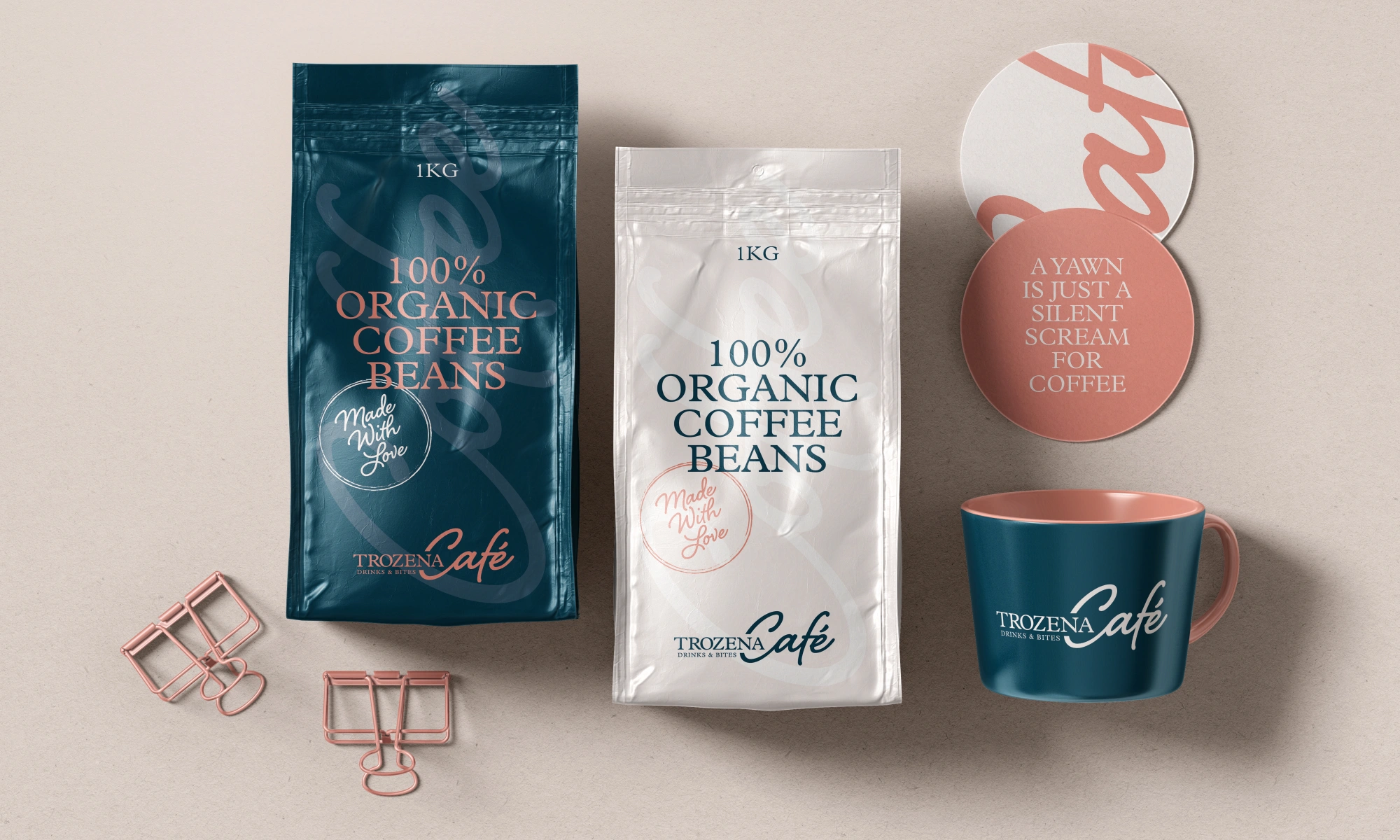
Consistency is not about repeating the same layout or color everywhere. It is about delivering the same promise with the same personality, no matter where people meet you.
After 20 years of building brands for clients worldwide, Ulisses has learned that brand strategy is the difference between a brand that scales and a brand that gets rebuilt every year.
Ulisses is a creative powerhouse led by award winning designer Uriya Ganor, and our approach starts with clarity before aesthetics. When strategy is solid, design decisions get faster, teams argue less, and customers feel confident sooner.
In this guide, you will learn a practical framework for brand strategy that connects positioning, messaging, and brand identity to real touchpoints like your website, social content, proposals, and product UI. You will also learn how to document brand guidelines people actually use.
If your brand feels slightly different on every channel, or if every new campaign starts from scratch, this post will help you build a system that stays cohesive while leaving room for creativity.
Define a Promise You Can Deliver
A brand promise is a commitment, not a slogan. It should describe the outcome customers can count on, in language that feels natural and specific. Start by answering three questions: who you help, what outcome you create, and why your approach is different. If the promise is too broad, it will not guide anything. If it is too narrow, it will not scale with new services or products. Once you write a draft, test it in real situations.
- Can a salesperson use it in one sentence?
- Can a designer translate it into hierarchy on a homepage?
- Can a support team use it when resolving a complaint?
A strong promise becomes the backbone of brand consistency because it sets the standard for what belongs and what does not. It also supports SEO because your core topic focus stays stable across pages and blog posts. When you keep returning to the same promise, your audience hears a coherent story, and search engines see clear relevance instead of scattered themes.
Understand Your Audience Like a UX Team
Many brands describe their audience with demographics, then wonder why conversion rates stay flat. Instead, define the moment of need.
- What triggers someone to search?
- What are they afraid of choosing wrong?
- What makes them trust a brand quickly?
Collect insights from sales calls, onboarding notes, customer interviews, support tickets, and search queries in Google Search Console. Then write a short profile that includes context, motivations, objections, and the words people actually use. Those words become your SEO keywords, your navigation labels, and your microcopy. This step is where brand strategy connects directly to UI/UX. When you understand user intent, you can structure pages around tasks, not assumptions. You can also avoid trendy language that customers never search for. A brand that uses the audience’s real vocabulary feels simpler and more confident, and that confidence shows up in everything from headings to button labels.
Build a Messaging Ladder for Every Channel
Messaging is where strategy becomes repeatable. Without a messaging system, every writer reinvents the brand voice, and every campaign sounds like a new company. A simple messaging ladder keeps the core story consistent while allowing flexible phrasing per channel. Start with a one sentence positioning statement. Then add a primary value statement in everyday language. Next, list three supporting benefits tied to customer goals. Finally, add proof points such as outcomes, methods, awards, or recognizable clients. You can document this in a single page so teams actually use it. To make it practical, add a short vocabulary list: terms you always use and terms you avoid. This protects tone of voice and improves consistency in SEO copy, paid ads, and sales material. When the ladder exists, designers can also build stronger hierarchy because they know what message deserves the most visual weight. Consistent messaging reduces friction in reviews, speeds up production, and helps your brand identity feel stable over time.
Translate Strategy Into Visual Identity and a Design System
Visual identity should not be a collection of favorites. It should be a system that expresses your promise and supports usability. Start with typography: choose a type family and a clear hierarchy that works on desktop and mobile. Then define a color system with roles, not just swatches, like primary, secondary, background, and feedback states. Add spacing rules, grid logic, and a consistent approach to icons and imagery. If you design digital products, build lightweight design system components that match the brand, such as buttons, forms, cards, and headings. This is where many brands accidentally split into two worlds: marketing looks premium, product UI looks generic. Bridging that gap creates trust. Users feel like they are still with the same brand when they move from an ad to a landing page to an onboarding flow. When your design system is connected to brand guidelines, new pages and features can be built faster, and quality stays consistent even as teams grow.
Document Guidelines, Roll Them Out, and Keep Measuring
Brand guidelines only work when they are easy to follow. Treat them as a decision tool, not a style museum. Keep a concise external version for partners and a living internal version that links to templates and source files. Include real examples and a few clear “do not” cases. To reduce drift, map your key touchpoints and define the consistency cues each one must follow.
| Touchpoint | Customer goal | Consistency cue |
|---|---|---|
| Homepage | Decide if you are credible | Promise, hierarchy, typography |
| Sales deck | Understand value fast | Same story and proof points |
| Product UI | Complete tasks confidently | Components, tone, microcopy |
Roll out updates through templates first, because templates remove guesswork. Assign a brand owner to answer questions quickly and maintain the library. Then measure brand health with signals like branded search growth, direct traffic, key page conversion rate, and qualitative feedback from customers and sales. When brand strategy is maintained like a system, your brand feels effortless, and that effortlessness becomes a competitive advantage.